Address
The 5th Floor, Building 3, No. 853 Pinggang Road,
Situan Town, Fengxian District, 201314 Shanghai,china
Telephone
86+13472620182 (WeChat)
Email
kinofurniture@wewinchina.com.cn
Address
The 5th Floor, Building 3, No. 853 Pinggang Road,
Situan Town, Fengxian District, 201314 Shanghai,china
Telephone
86+13472620182 (WeChat)
Email
kinofurniture@wewinchina.com.cn

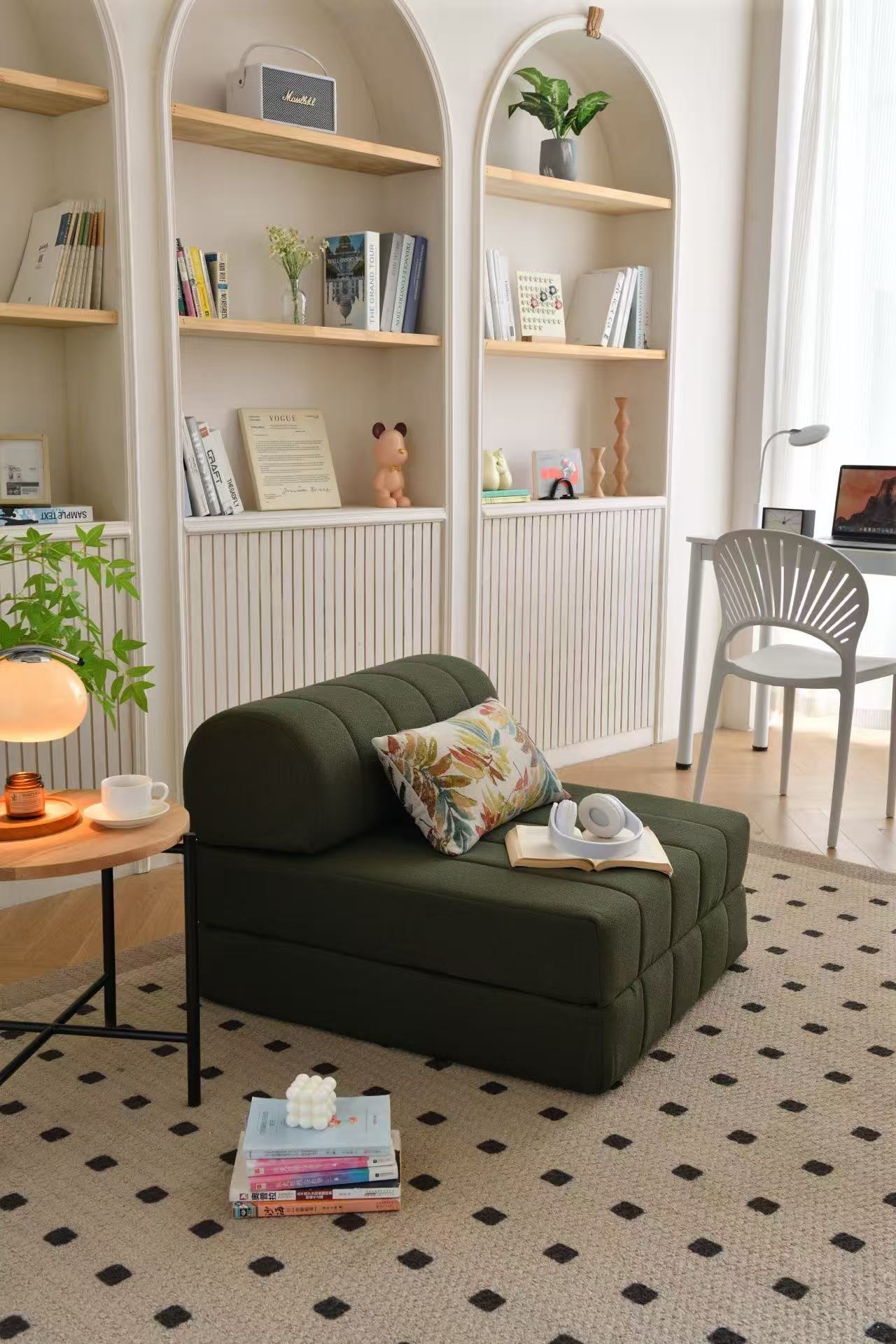
Exploring the connection between comfortable furniture and mental wellbeing.
We tend to think of furniture as practical. A chair is for sitting. A sofa is for lounging. A bed is for sleeping. But the relationship between humans and their furniture runs deeper than function.
There is a reason we gravitate toward soft surfaces. There is a reason we feel calmer in a well-furnished room. There is a reason we remember the feel of a particularly comfortable chair long after we have left it.
Comfort is not just physical. It is psychological. And the furniture we choose has a profound impact on how we feel.
Research has shown that soft, tactile surfaces trigger the release of oxytocin, a hormone associated with bonding and relaxation. When we sink into a plush sofa, our bodies respond as if we are being held. The sensation activates the parasympathetic nervous system, lowering heart rate and reducing stress.
This is not merely anecdotal. Studies have demonstrated that physical comfort reduces cortisol levels and improves mood. The effect is measurable and meaningful.
Hard surfaces, by contrast, create a different response. They signal vigilance and readiness. They keep us alert, but they also keep us tense. Over time, this tension accumulates, contributing to fatigue and irritability.
The implication is clear. The furniture we choose shapes not just our physical posture, but our emotional state.
Texture matters as much as softness. The feel of a fabric against our skin influences how we perceive a space.
Natural materials like linen and cotton have been shown to reduce stress more effectively than synthetics. Their breathability and organic texture signal safety and comfort to our ancient brains. Leather, with its warmth and durability, offers a different kind of reassurance. Tech fabrics, designed for practicality, can still provide softness and comfort.
At Kino, we offer a range of fabrics precisely because texture is so personal. Some people prefer the crispness of linen. Others want the luxury of velvet. Still others need the durability of tech fabric. The right choice is the one that feels right to you.
A comfortable home is not just about physical relaxation. It is about belonging. Furniture that supports us, literally and figuratively, creates a sense of security and permanence.
Think about the places where you feel most at ease. A favorite armchair. A cozy corner of the sofa. A bed that feels like a refuge. These are not just pieces of furniture. They are anchors in our lives. They provide stability in a world that often feels unstable.
This is particularly important in times of stress. During the pandemic, many people reported seeking comfort in their furniture. The sofa became a workspace, a dining area, a place of solace. The chair became a desk, a reading nook, a retreat.
Furniture that supports us, both physically and emotionally, is not a luxury. It is a necessity.
Comfortable furniture is not accidental. It is designed. Every curve, every angle, every material choice influences how we experience a piece.
Ergonomics plays a role, of course. A chair that supports the spine and cushions the joints reduces physical strain. But comfort is more than ergonomics. It is about the feeling of being held, supported and at ease.
The best furniture achieves this through careful design. Generous proportions. Soft but supportive cushioning. Fabrics that invite touch. Details that signal quality and care.
At Kino, we approach design with this in mind. Our pieces are not just functional. They are meant to be experienced. We want you to feel better when you sit in them.
The importance of comfort extends beyond the home. In the workplace, seating has a direct impact on productivity, creativity and employee wellbeing.
Studies have shown that comfortable employees are more engaged, more focused and less likely to leave their jobs. They report lower stress levels and higher job satisfaction. The investment in quality seating is not a cost. It is a competitive advantage.
This is why we have seen such growth in ergonomic office furniture. Companies are realizing that the health of their employees depends, in part, on the chairs they sit in. Adjustable lumbar support, breathable fabrics and soft cushioning are no longer optional.
At Kino, we have always believed that comfort matters. It is not an afterthought. It is the foundation of everything we make.
Our 3D Sofa Series is designed to support the body in any position. Fourteen-gear lumbar adjustment, eighteen-stop recline and a supportive headrest ensure that you can find your perfect angle. Our Waist Protector Series prioritises the lower back, where so many of us carry tension. Our bean bags offer formless comfort that adapts to your body, not the other way around.
We do not just build furniture. We build wellbeing.
The furniture we choose shapes our lives in ways we rarely acknowledge. It affects our mood, our health and our relationships. It provides comfort in difficult times and pleasure in good ones.
Investing in comfort is not indulgent. It is essential. A comfortable home is a sanctuary. A comfortable chair is a refuge. A comfortable bed is a promise of renewal.
Choose furniture that supports you, not just physically, but emotionally. Choose pieces that invite you to relax, that welcome you home, that remind you of what matters.
Because comfort is not a luxury. It is a necessity. And you deserve to feel it every day.
Experience the Kino difference. Explore our collections and discover furniture designed for your wellbeing.
